

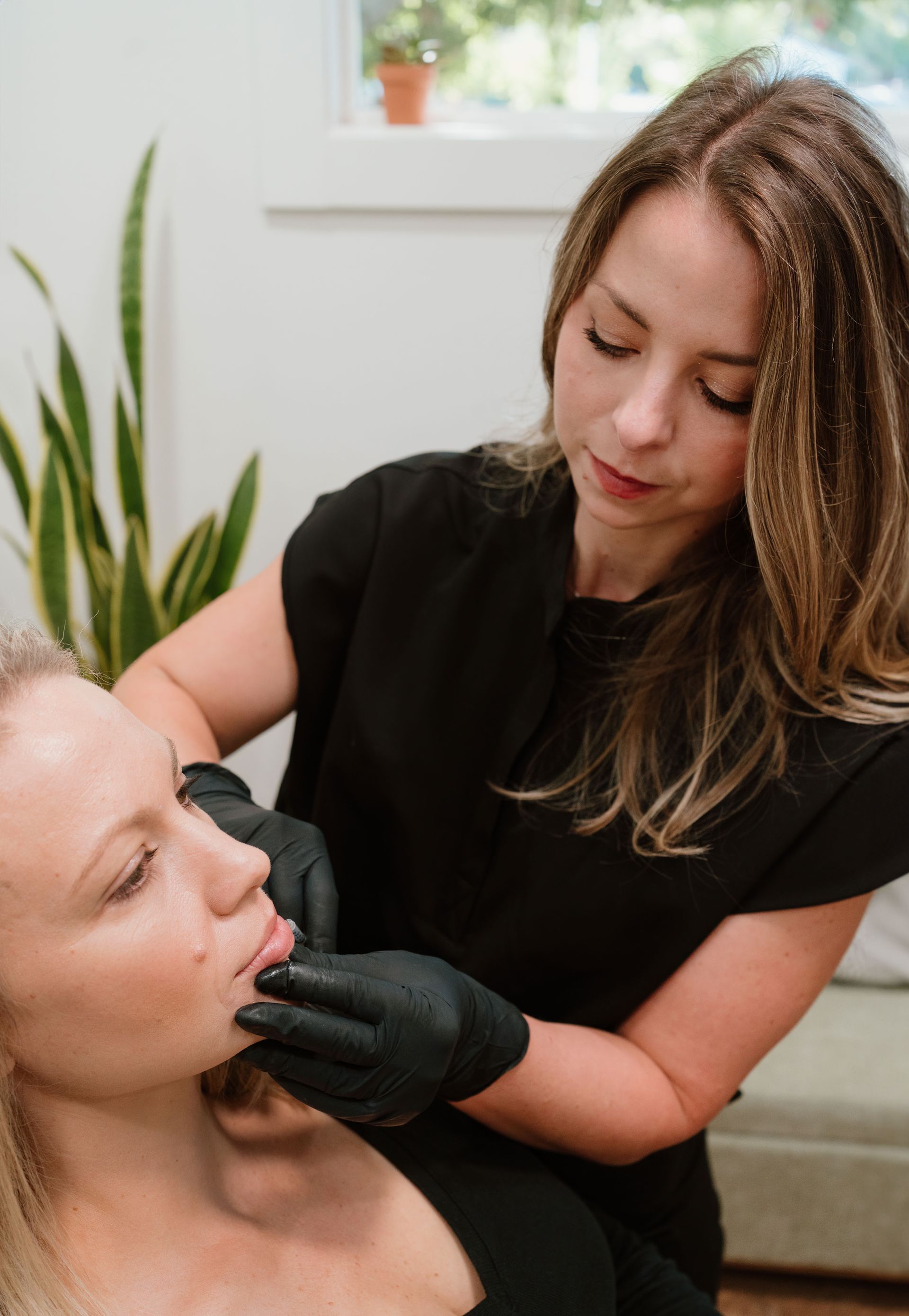
The Vacation Prep Timeline
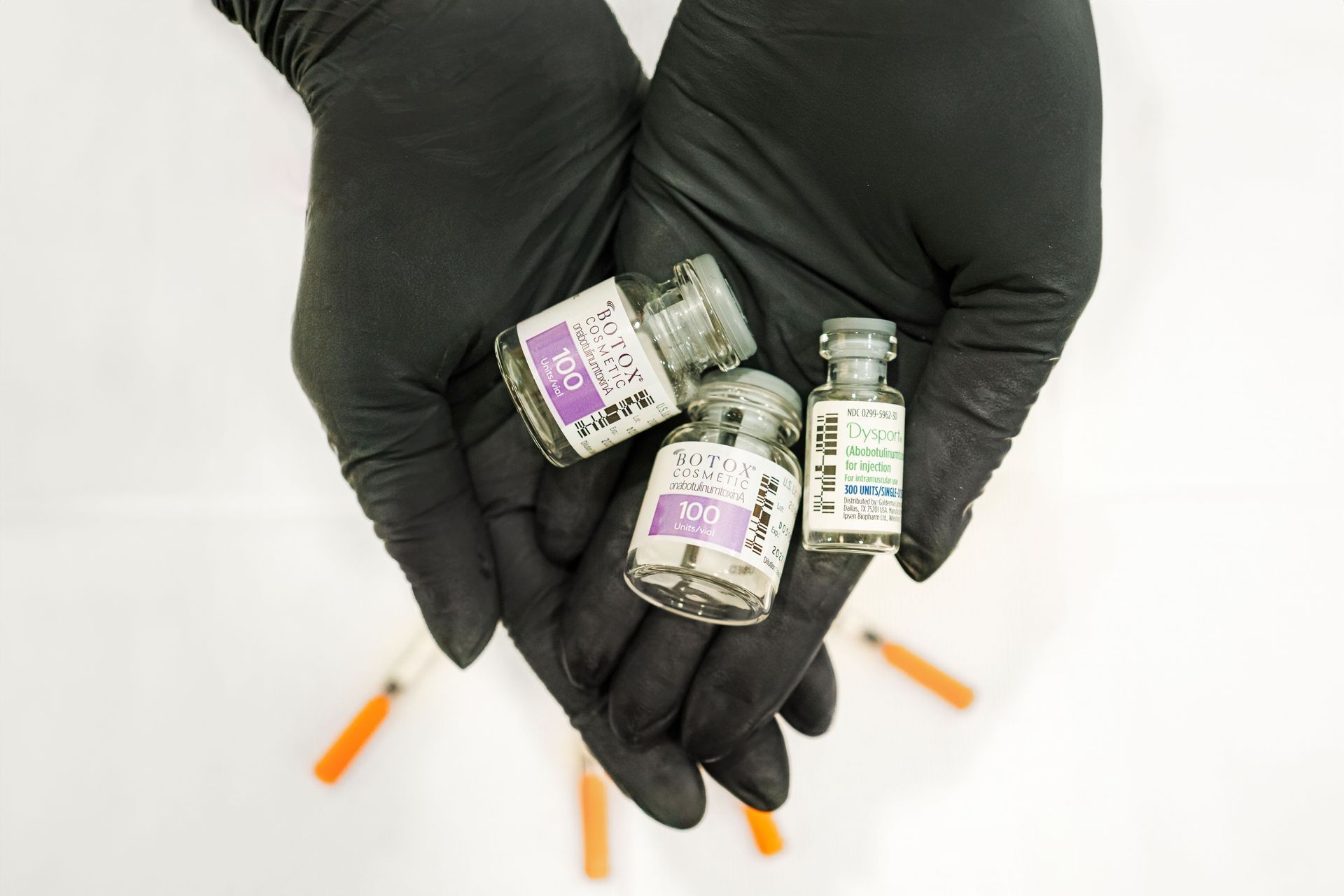
Learn how Botox can reduce excessive sweating in the underarms, hands, feet, and scalp, helping you stay comfortable and confident year-round.
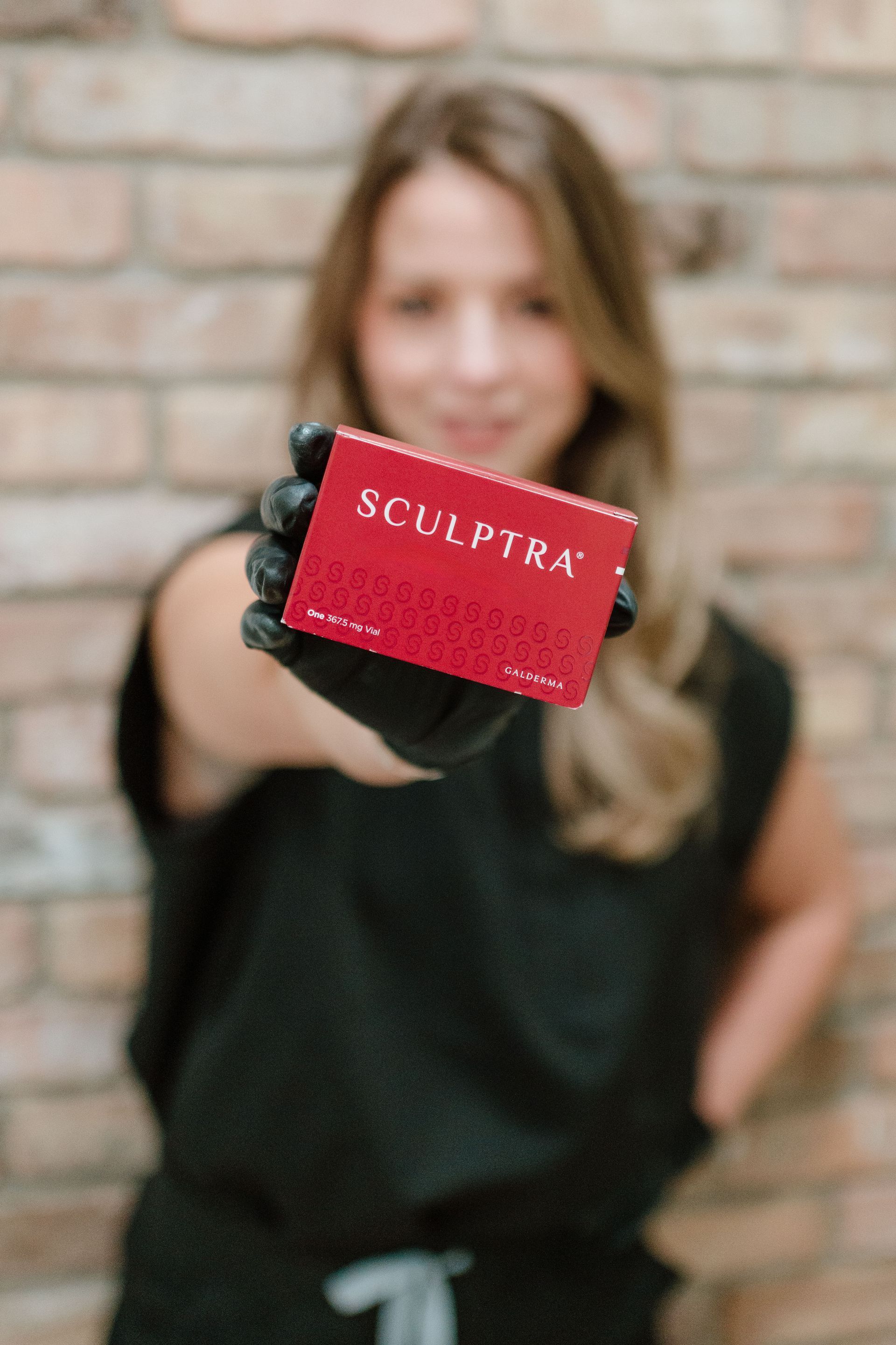
Why I Love Sculptra: A Nurse Injector’s Perspective on Natural, Long-Lasting Rejuvenation In the world of aesthetic medicine, not every treatment is about instant gratification and that’s a good thing. As a nurse injector, one of my favorite treatments to recommend for patients seeking gradual, natural-looking results is Sculptra. Unlike traditional approaches like Filler, Sculptra works as a biostimulator, helping your body rebuild its own collagen over time. If you’ve been curious about restoring volume, improving skin quality, and achieving a refreshed appearance without looking overdone, this treatment may be exactly what you’re looking for. What Is Sculptra and How Does It Work? Sculptra is a collagen-stimulating injectable made from poly-L-lactic acid (PLLA), a substance that has been used safely in medicine for decades. Rather than creating immediate volume, it works beneath the surface to stimulate your body’s natural collagen production. Collagen is what gives our skin its structure, firmness, and elasticity. Starting in our early 20s, we lose about 1%-2% of our collagen each year. Over time, this leads to volume loss, skin laxity, and deeper lines. Sculptra addresses the root of the issue by helping your skin rebuild that lost support from within. The result? Subtle, progressive improvement that looks like you, just more refreshed. Who Is a Good Candidate for Sculptra? Sculptra is ideal for patients who: Are noticing gradual volume loss in areas like the cheeks, temples, or jawline Want a more natural, long-term solution rather than immediate dramatic change Prefer to avoid a “filled” or overdone look Are committed to a treatment plan and understand that results develop over time Want to improve overall skin quality, not just specific lines or folds It’s especially popular among patients who value prevention and maintenance, as well as those who want to age gracefully rather than chase quick fixes. Why Choose a Biostimulator? One of the biggest advantages of Sculptra is that it works with your body, not against it. Sculptra encourages your body to rebuild on its own. Here’s why that matters: Natural-looking results: Because the structure comes from your own collagen, results are soft and undetectable Long-lasting improvement: Results can last up to two years or more Skin quality enhancement: Beyond volume, patients often notice smoother, firmer, more radiant skin Full-face rejuvenation: It can be used strategically to restore balance and structure across multiple areas What Does the Treatment Plan Look Like? Sculptra is not a one-and-done treatment, it’s a process, and that’s part of what makes it so effective. Most patients will need a series of 2 to 3 sessions, spaced 4 to 6 weeks apart. This allows for gradual collagen stimulation and natural progression of results. After your initial series, maintenance is simple: A follow-up session once a year to every two years, depending on your goals and how your body responds This approach keeps your results looking consistent and effortless over time. What to Expect After Treatment After each session, you may experience mild swelling, tenderness, or bruising, this is completely normal and typically resolves within a few days. You’ll also be instructed to perform gentle massage in the treated areas for a few days to ensure even distribution. Results won’t appear overnight. Instead, you’ll notice gradual improvement over several weeks as your body begins producing new collagen. By the end of your treatment series, the transformation is subtle but significant—restored structure, improved contours, and healthier-looking skin. My Approach as a Nurse Injector Every face is unique, and so is every treatment plan. My goal is always to enhance your natural features while maintaining balance and harmony. With Sculptra, that means taking a thoughtful, customized approach, mapping out where collagen support is needed and building results over time. This is a treatment for patients who trust the process and value long-term outcomes over quick fixes. Is Sculptra Right for You? If you’re looking for a treatment that delivers gradual, natural, and long-lasting rejuvenation, Sculptra may be an excellent option. It’s one of the most rewarding treatments I offer because it allows patients to look like themselves, just more refreshed, confident, and radiant. If you’re curious whether you’re a candidate, I’d love to create a personalized plan tailored to your goals. Ready to get started? Schedule a consultation and let’s talk about how we can restore your collagen and enhance your natural beauty—beautifully and gradually.

